
Mental Health: The Silent Crisis Affecting Millions
Mental health is more than the absence of illness—it's the foundation of how we think, feel, and function. Today, over 970 million people live with mental health conditions (WHO, 2024), making it a growing global crisis.
The solution? Early awareness, accessible support, and a shift toward prevention over crisis response.
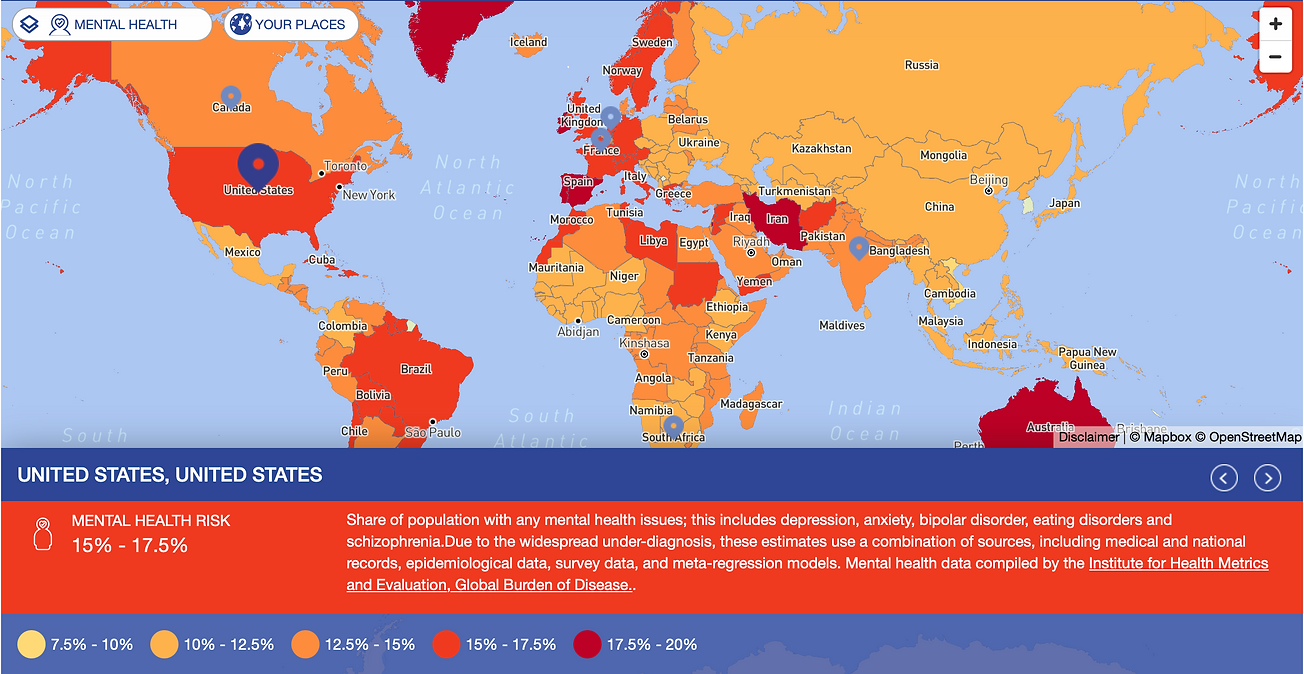
What’s Fueling the Mental Health Crisis?
Mental health is influenced by biology, lifestyle, environment, and society. Here’s what’s driving today’s crisis:
🧬 Biological & Genetic Factors
Neurochemical imbalances and genetic predispositions increase the risk of conditions like depression, anxiety, and schizophrenia.
💥 Stress & Trauma
Chronic stress, financial pressure, relationship conflict, and unresolved trauma contribute to emotional strain and mental health breakdown.
📱 Digital Overload & Social Pressure
Social media comparison, screen time, and cyberbullying are major contributors to anxiety and low self-worth—especially in youth.
🍷 Substance Use
Addiction and mental health are deeply intertwined, creating a cycle of dependency and emotional instability.
🌍 Inequality & Access Gaps
Many communities face stigma, underfunded services, and limited insurance coverage for care.
😴 Lifestyle & Sleep
Lack of sleep, inactivity, and poor nutrition reduce emotional resilience and cognitive clarity.
By the Numbers: Mental Health in Crisis
Mental health disorders are increasing globally, placing immense strain on individuals, healthcare systems, and economies.

1 in 4 people
will experience a mental health condition during their life
280M+ people
are living with depression (WHO, 2024)
800,000+ people
die by suicide each year
$1 trillion/year
is lost in productivity due to mental illness
1 in 5 teens
experiences a mental health disorder annually (UNICEF, 2024)
Emerging Trends Shaping Mental Health Care
Advancements in technology and policy are reshaping mental health care, making it more accessible and effective.
01
Teletherapy & Virtual Counselling
Remote access to licensed professionals helps bridge care gaps.
02
Digital Wellness Tools
Apps and online programs offer real-time self-care, education, and monitoring.
03
Mindfulness & CBT Techniques
editation, guided breathing, and behavior-based therapies are proven stress relievers.
04
Workplace Wellness Initiatives
Employers are prioritizing employee mental health and offering support programs.
05
Youth Mental Health in Schools
Mental wellness education is increasing emotional resilience in students.
06
Psychedelic-Assisted Therapy (Emerging)
Trials with psilocybin and ketamine show promise for treatment-resistant conditions.
How Health Jeanie Supports Mental Health
Health Jeanie provides on-demand, personalized support to help users manage their mental well-being proactively—not just reactively.

1. Early Risk Detection
Predictive analytics identify anxiety, stress, or depression early

2. Tailored Mental Health Plans
Personalized coaching and daily goals based on mood and lifestyle
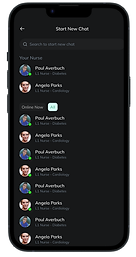

3. On-Demand Support
Patients can instantly connect with the right nurse or care coordinator whenever they need help.
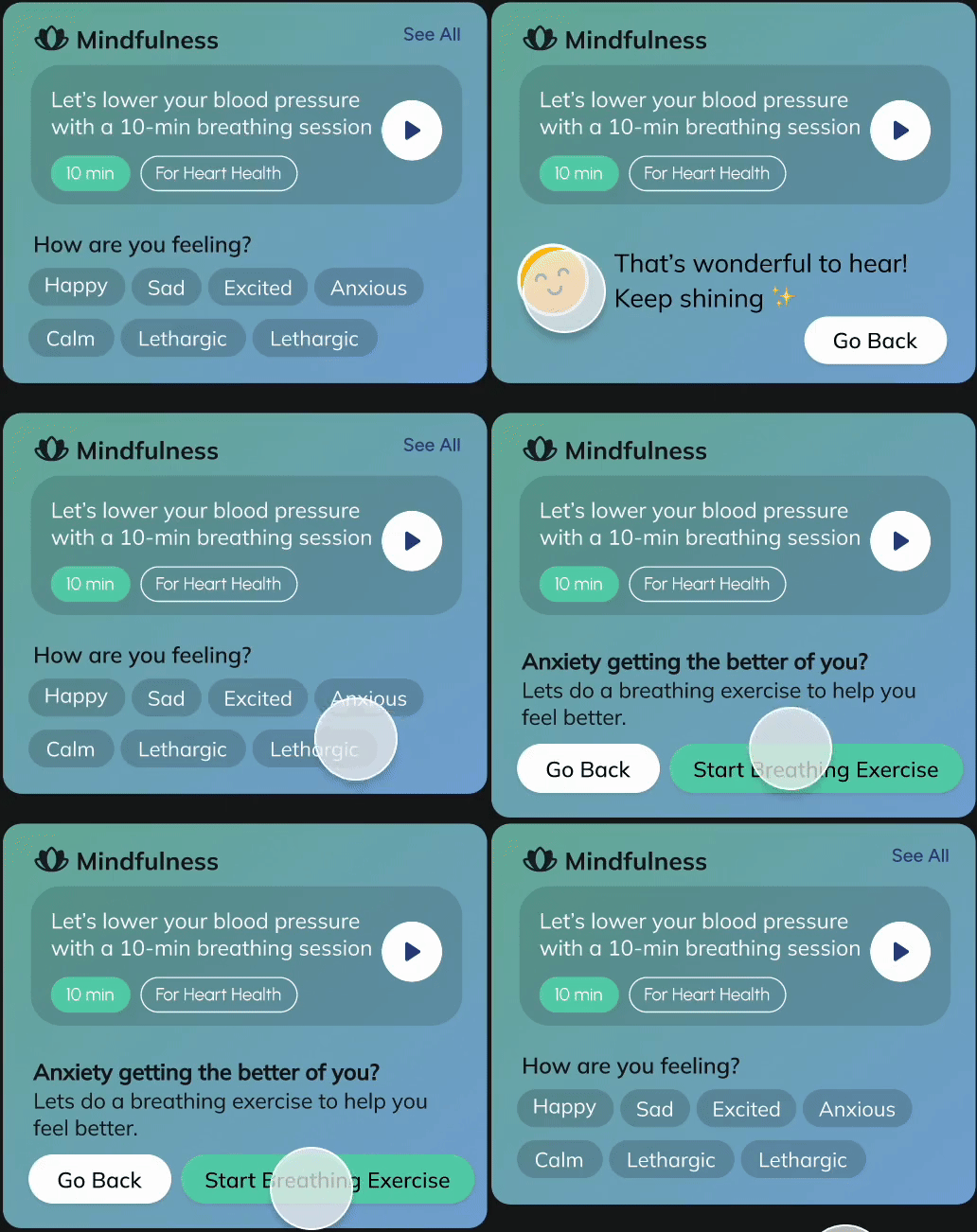
4. Smart Mood & Stress Tracking
Real-time check-ins that guide users toward healthier routines
5. Integrated Care Connection & Access to licensed professionals
Health Jeanie ensures continuity of care by syncing with healthcare providers and family for continuous support & seamless health improvement.